Vergina – Thessaloniki
Greece – Macedonia | Anno 2018
Vergina
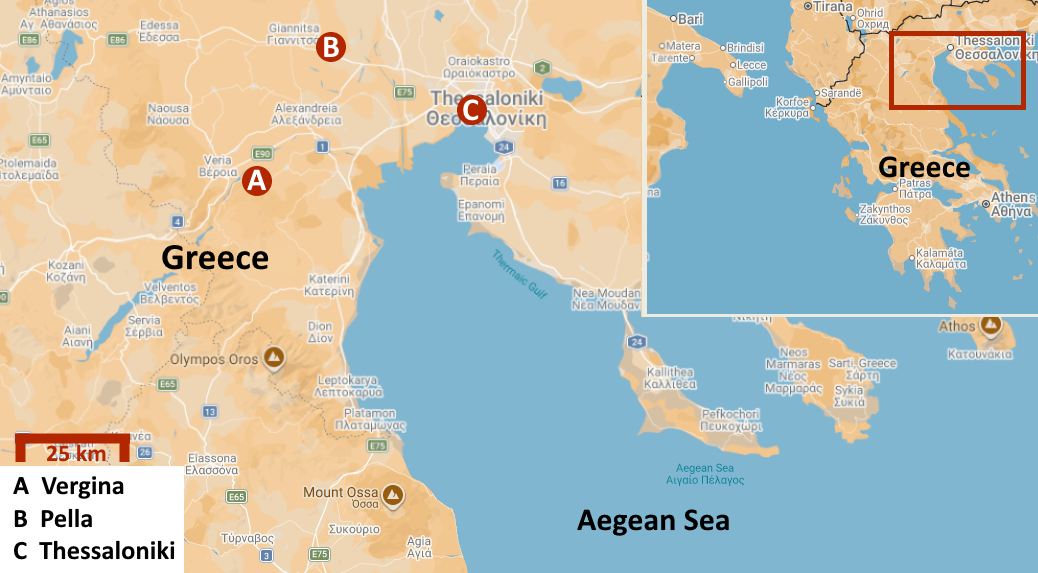
Vergina
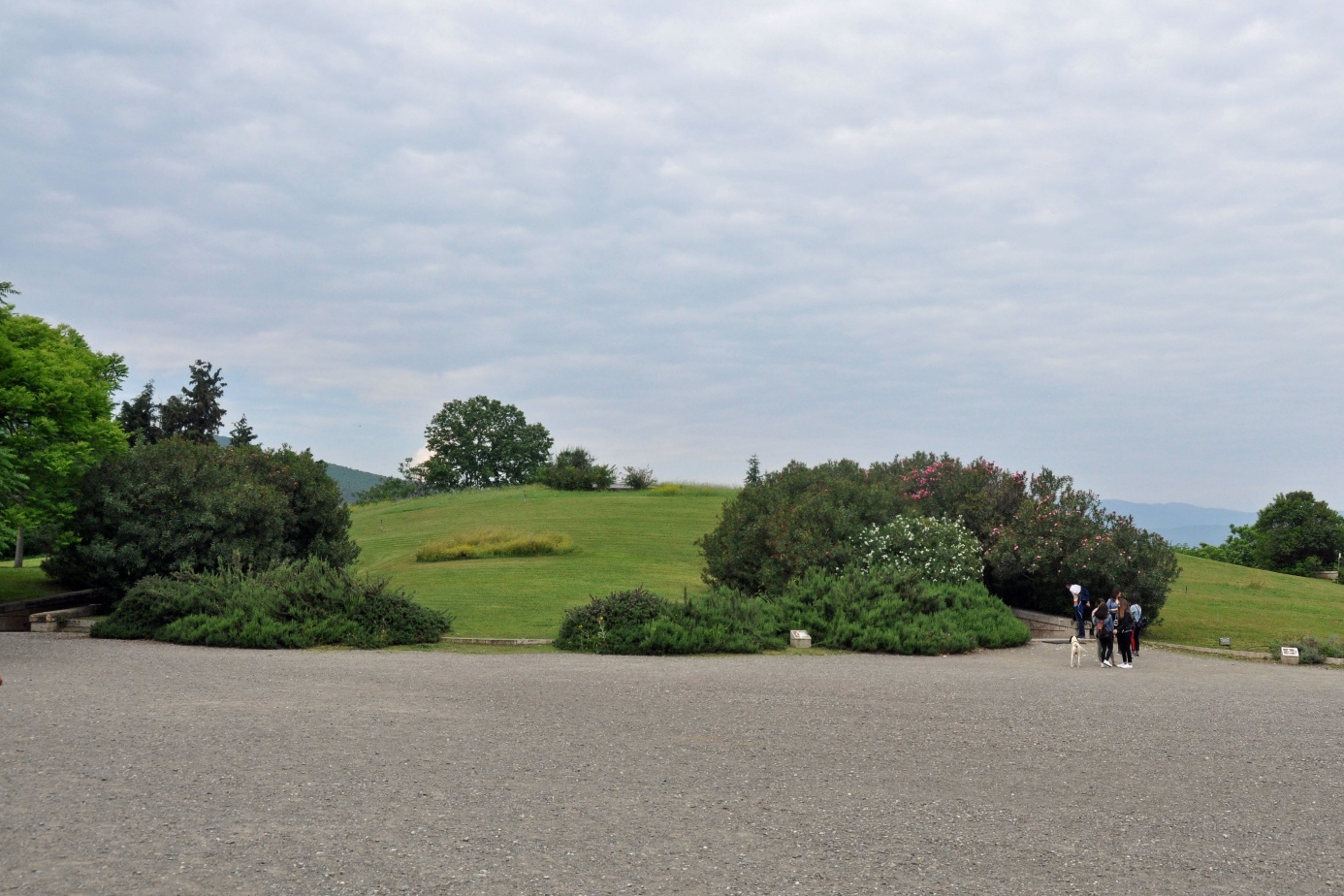
In 1977, the intact tomb of King Philip II of Macedon, the father of Alexander the Great, was discovered near Vergina. In ancient times, this was the site of Aigai, the original capital of Macedon. Its palace was the largest building in Classical Greece. It was here that Alexander was proclaimed king in 336 BCE following the assassination of his father. The city was abandoned in the 3rd century CE
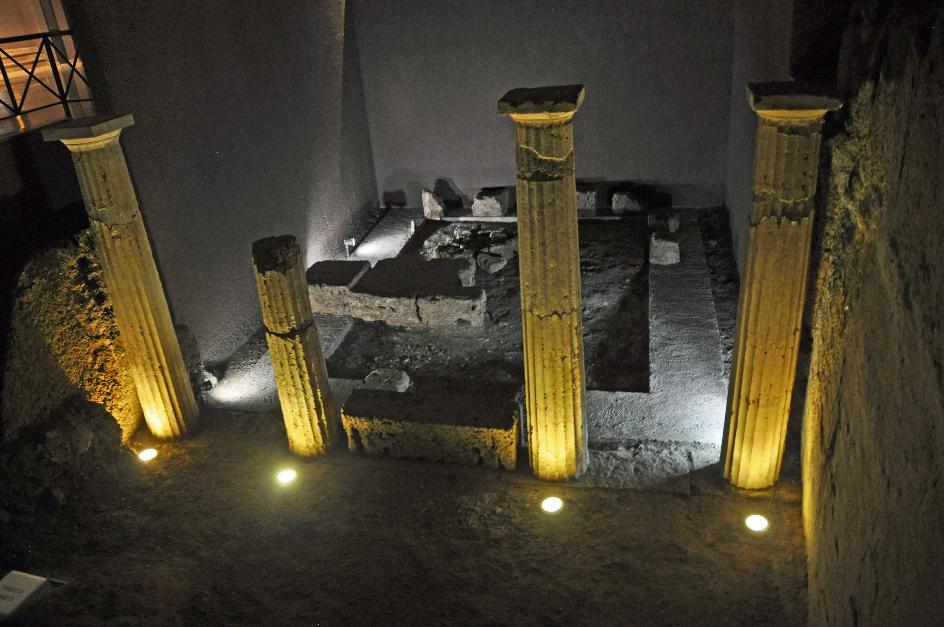
In addition to the tomb of Philip II, three other royal tombs were found within the burial mound (tumulus), two of which had been looted in antiquity (see photograph)
Pella
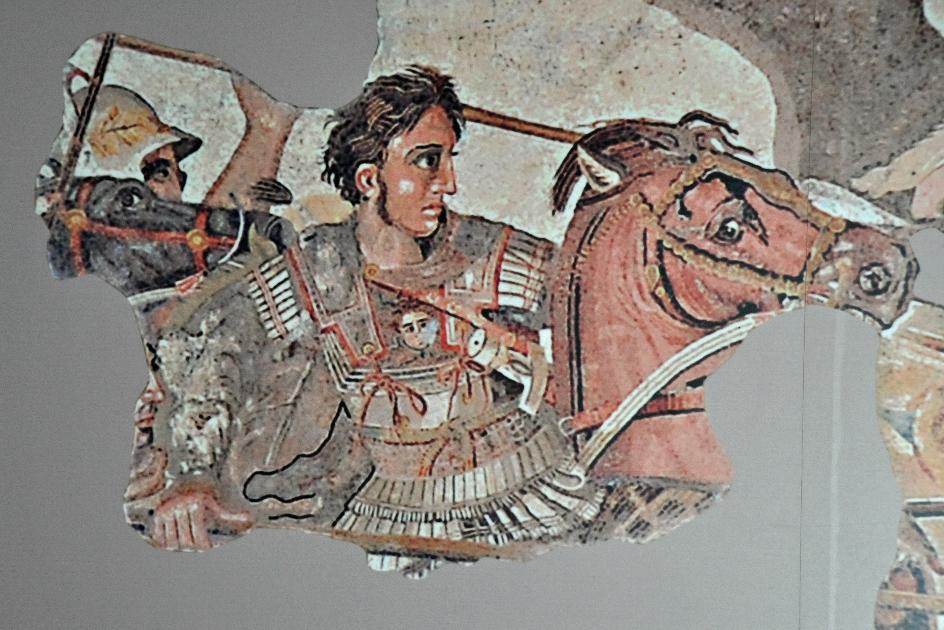
The famous Alexander the Great mosaic was discovered in Pompeii in the House of the Faun. The original is housed in the National Archaeological Museum of Naples
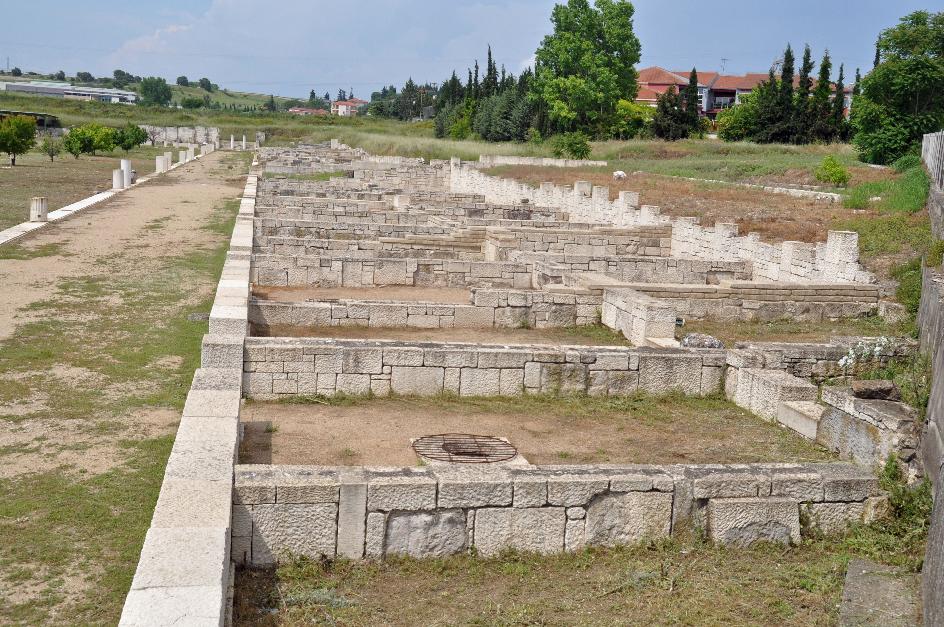
Pella – Colonnades and shop premises of the agora. At the beginning of the 4th century BCE, Pella succeeded Aigai as the capital of Macedonia. Here Alexander the Great was born in 356 BCE
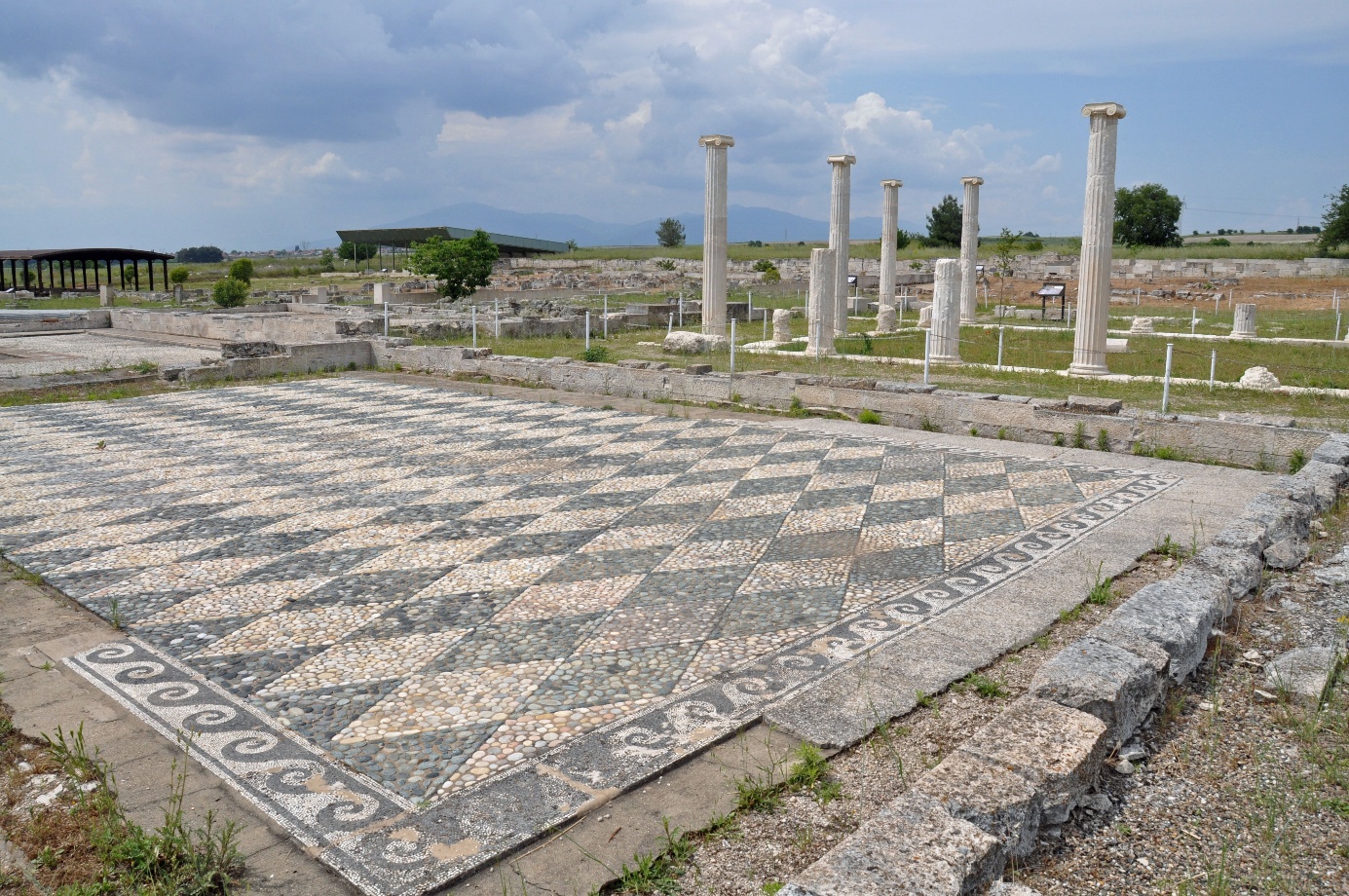
Pella – House of Dionysus. This residence covered an area of approximately 3,400 square metres (0,84 acres). Every room was decorated with exquisite pebble mosaics
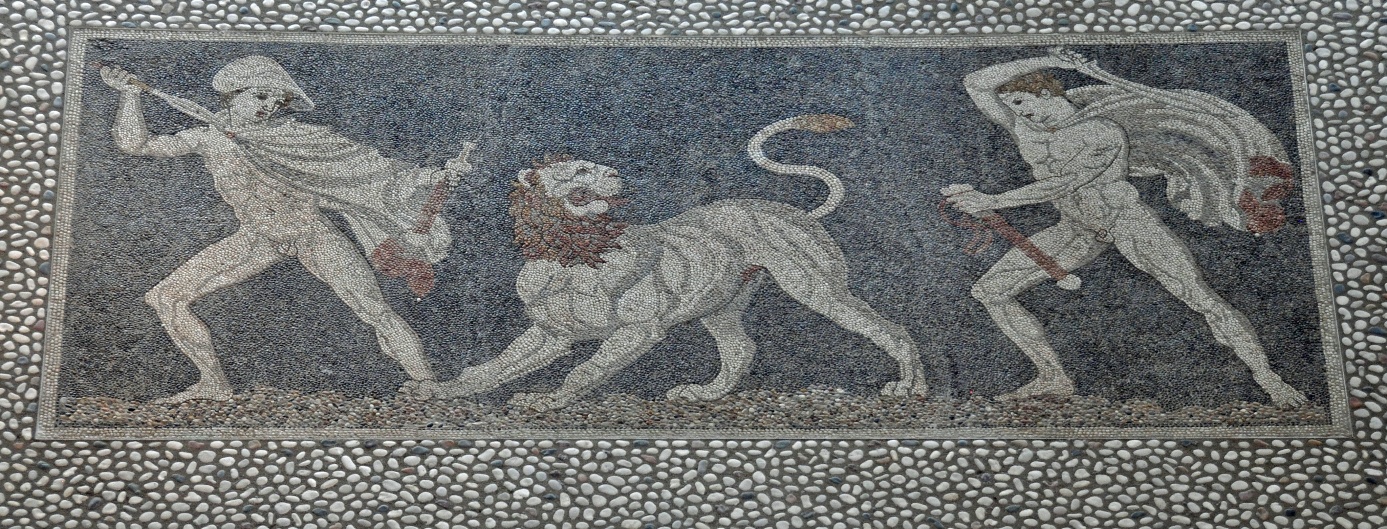
House of Dionysus – Lion Hunt
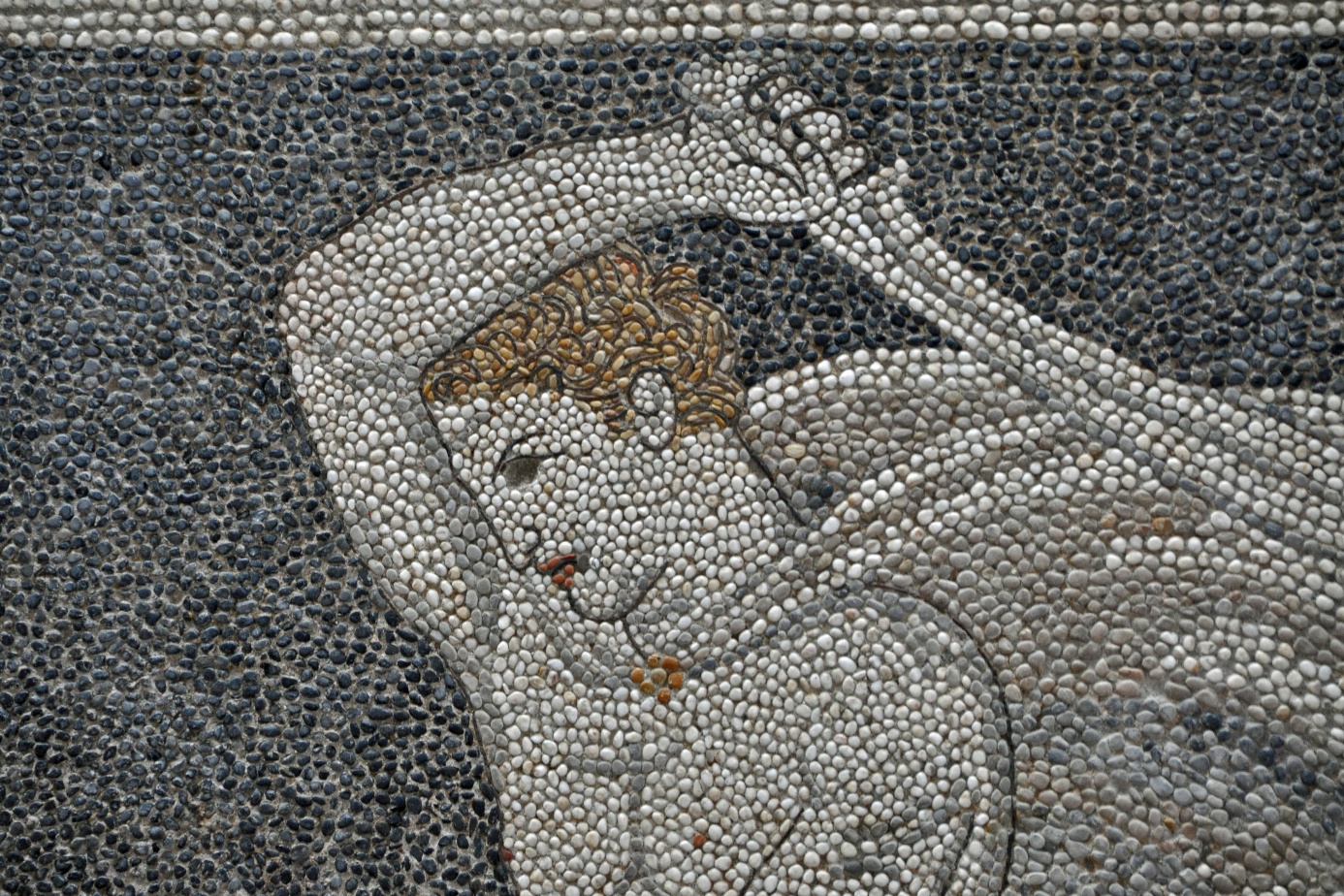
House of Dionysus – Lion Hunt (detail)
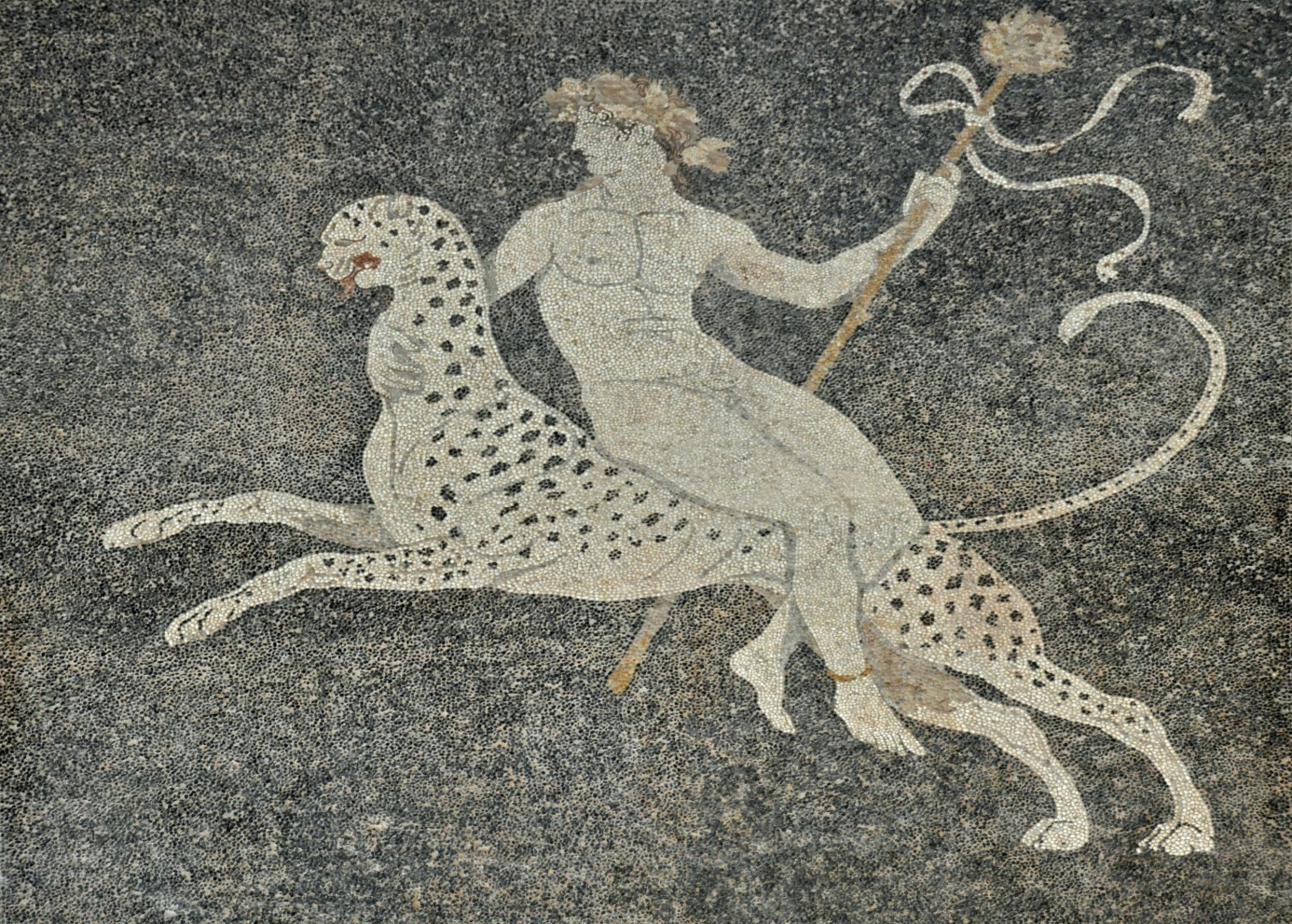
House of Dionysus – Dionysus Riding a Panther
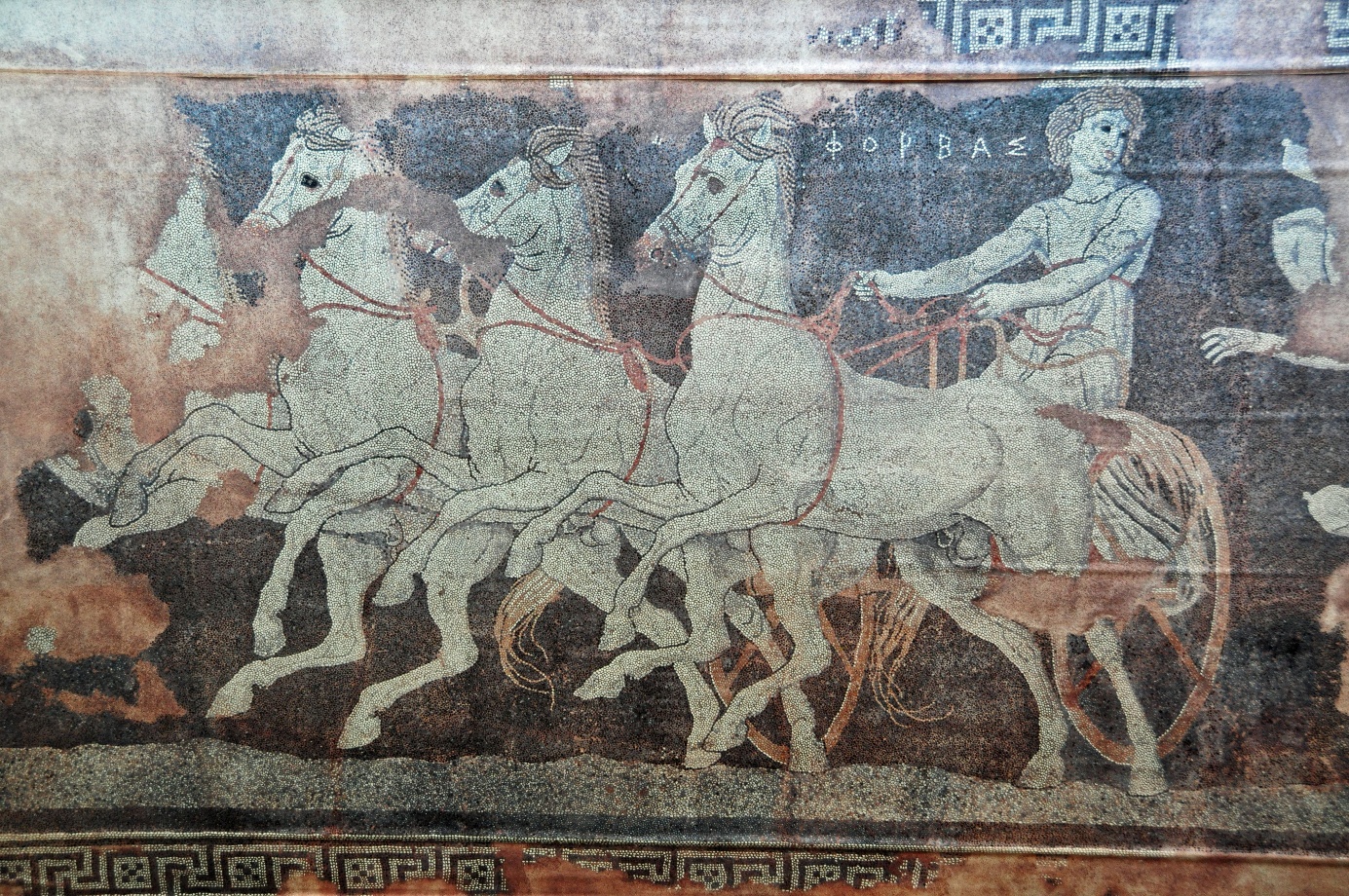
House of the Abduction of Helen – Central panel depicting the Abduction of Helen by Theseus (c. 300 BCE)
|
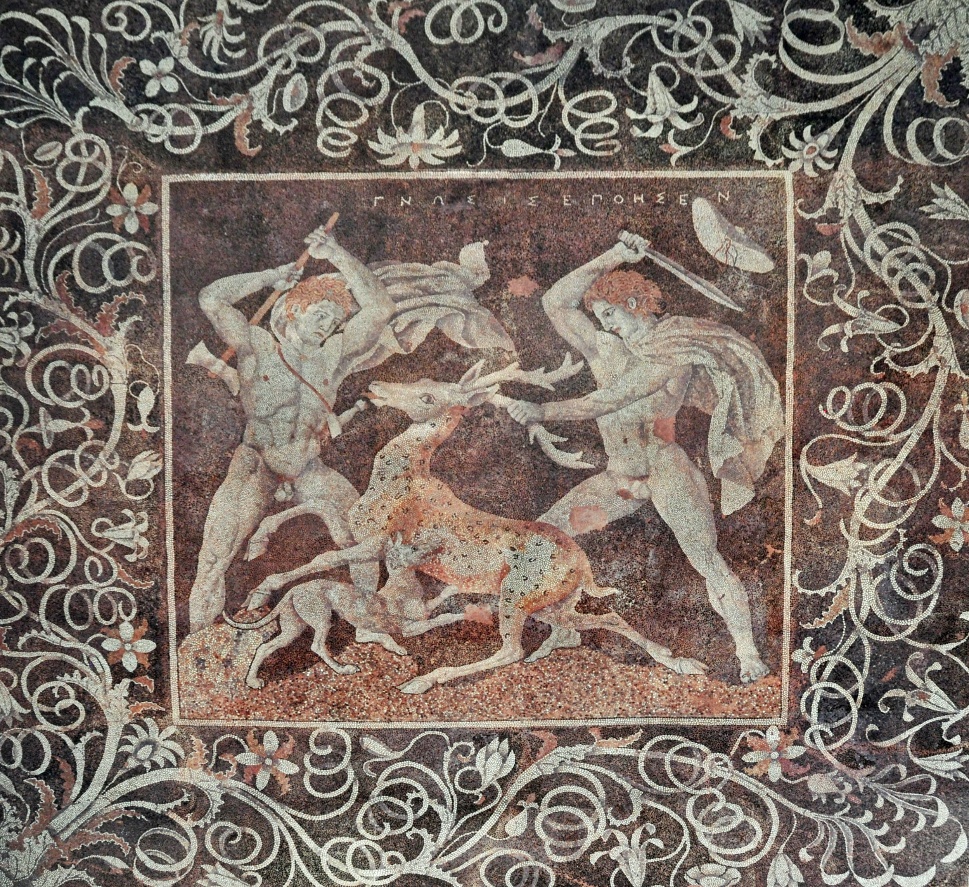
Stag Hunt with Two Men and a Dog (c. 320 BCE, signed by Gnosis) |
|
|
|
|
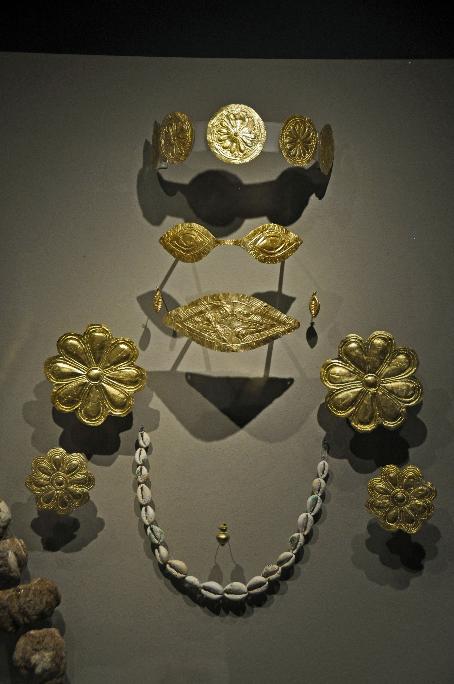
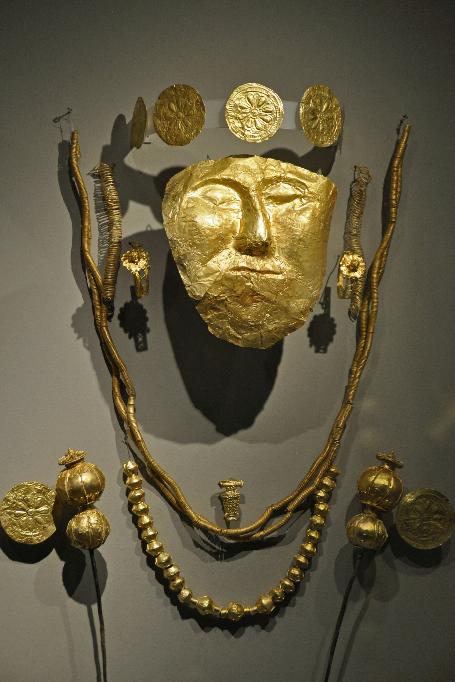
Grave goods from women's tombs
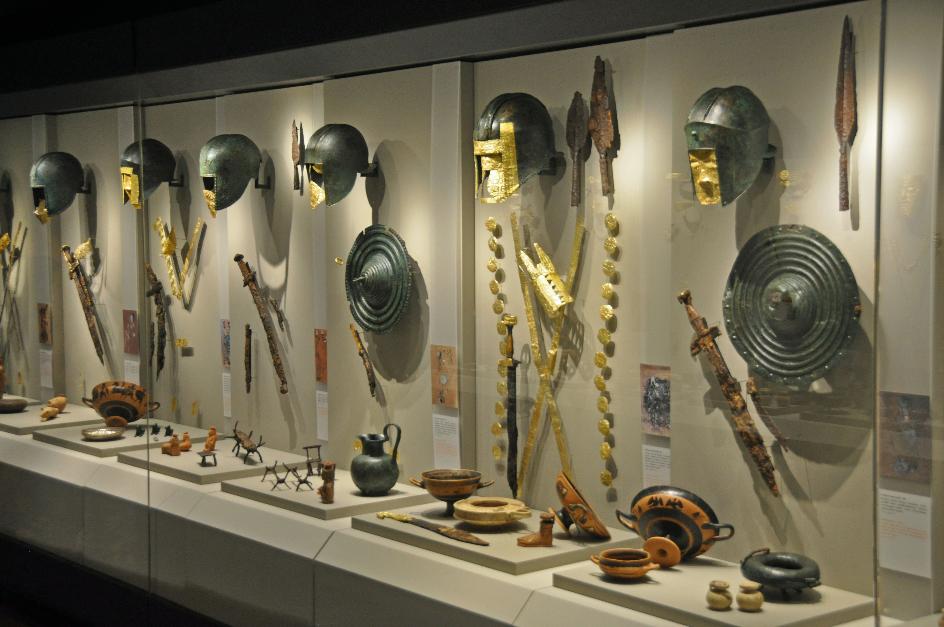
Grave goods from men's tombs
|
|
|
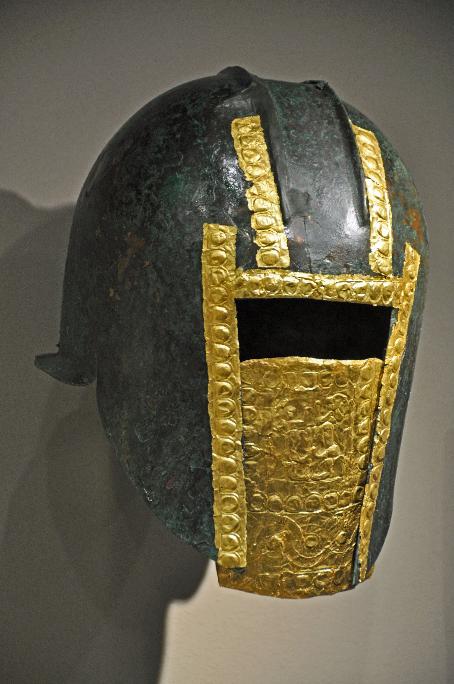
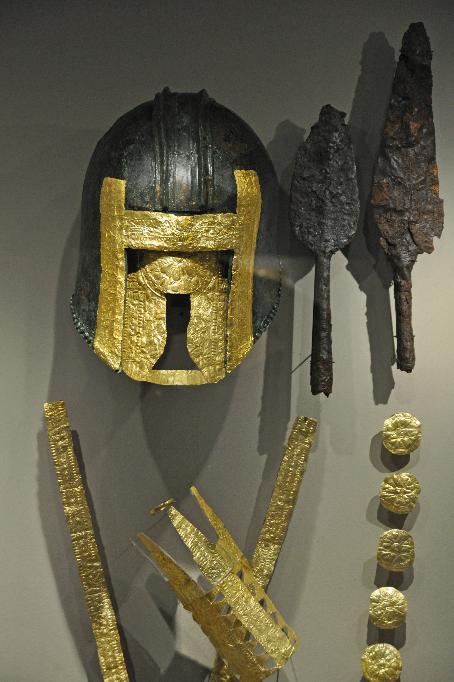
Grave goods from men's tombs
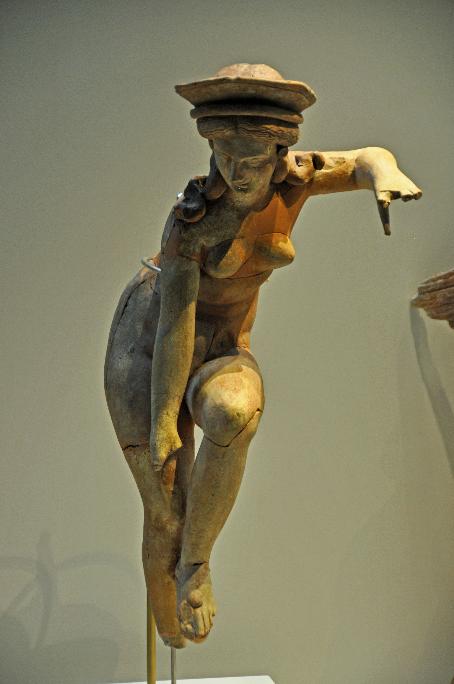
Aphrodite |
|
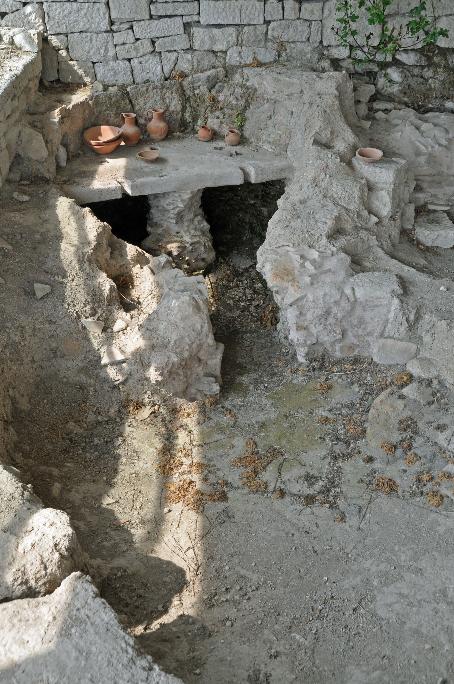
Pottery Workshop |
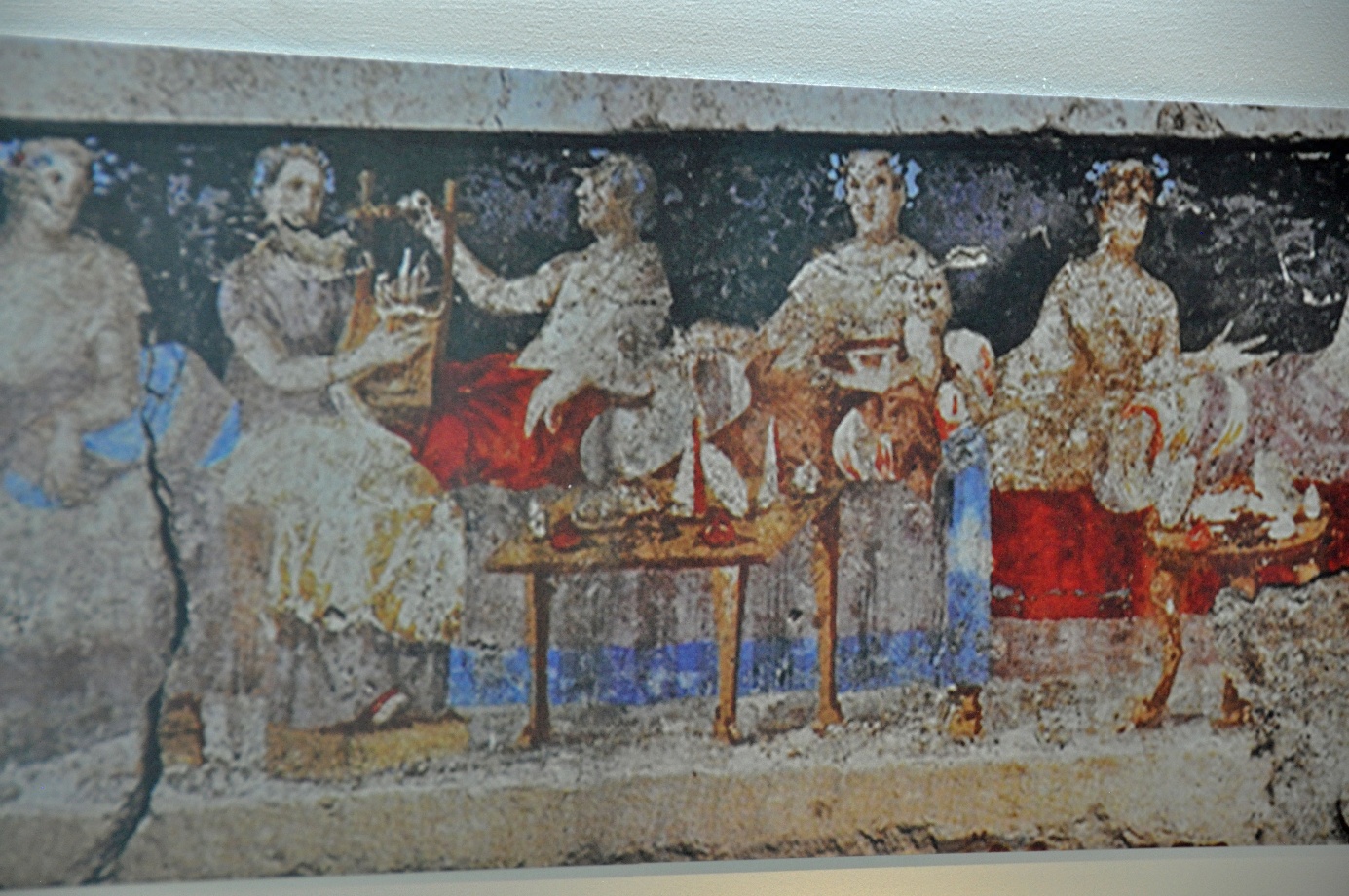
Lively scene of a Macedonian banquet depicted on the frieze of a tomb from Agios Athanasios (last quarter of the 4th century BCE)
Thessaloniki
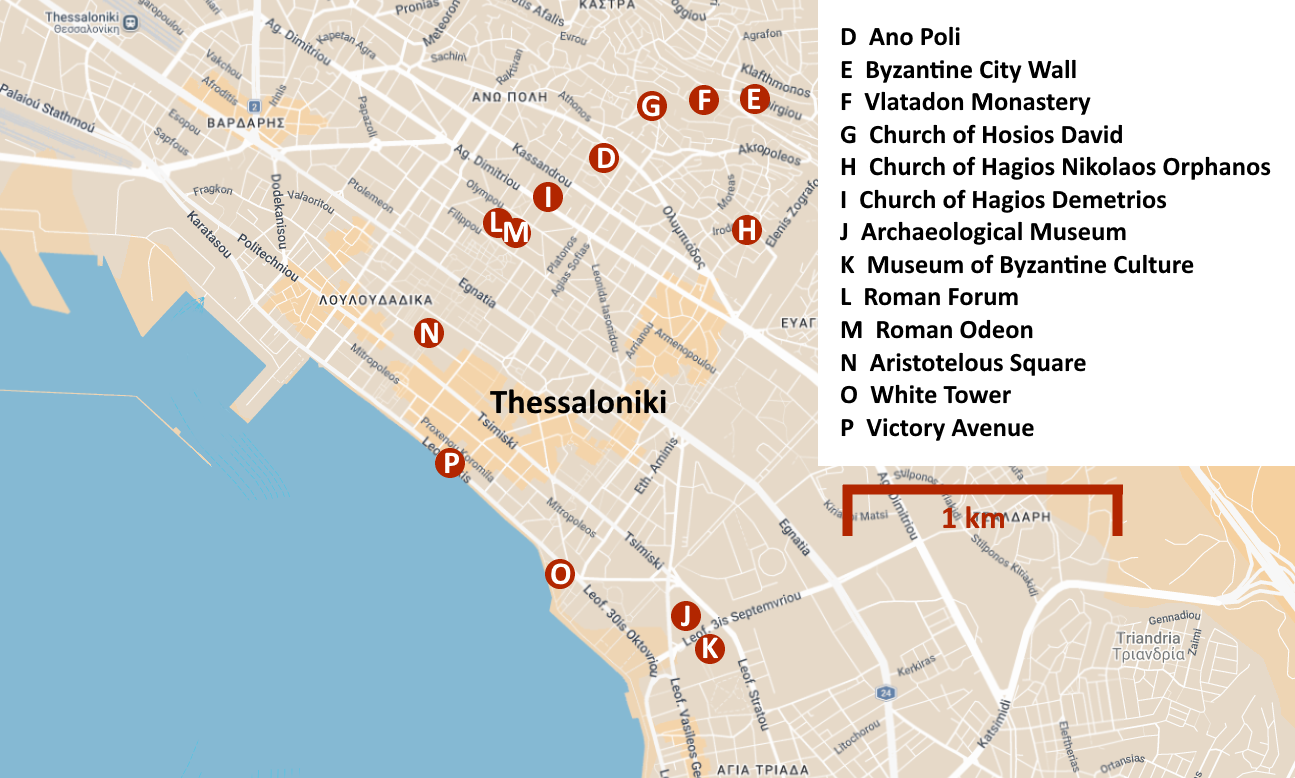
Upper Town
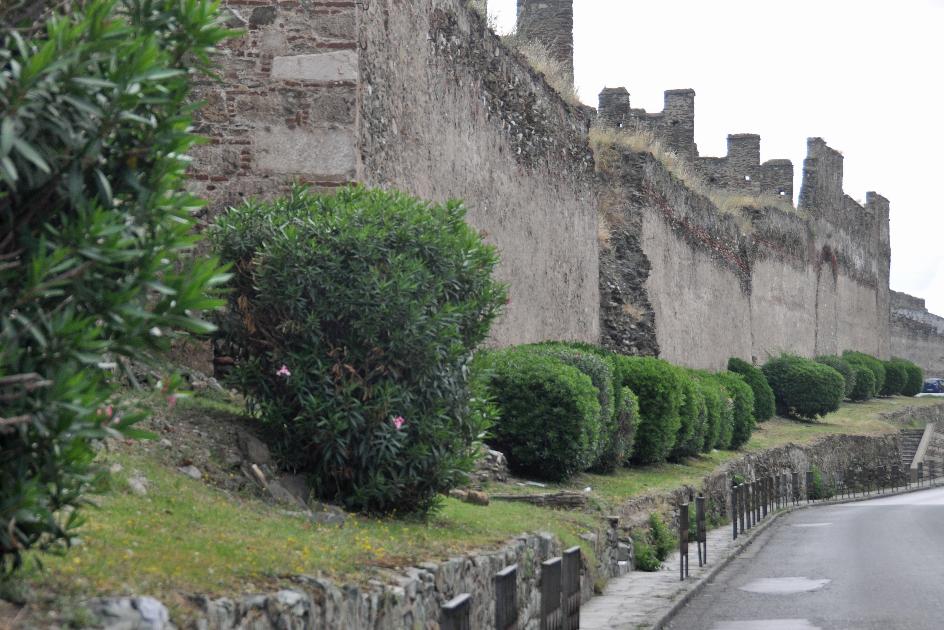
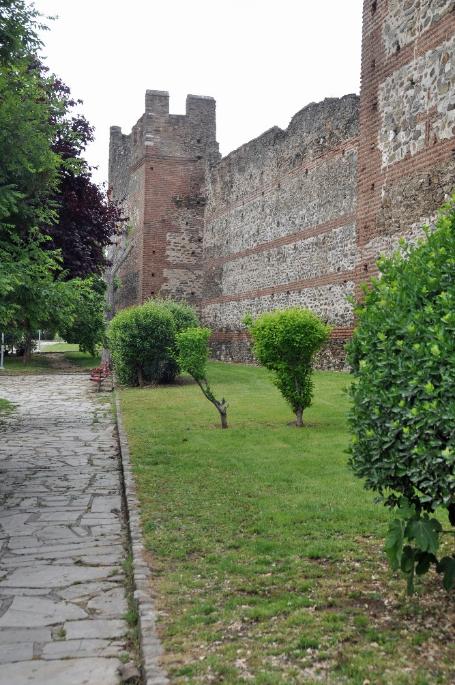
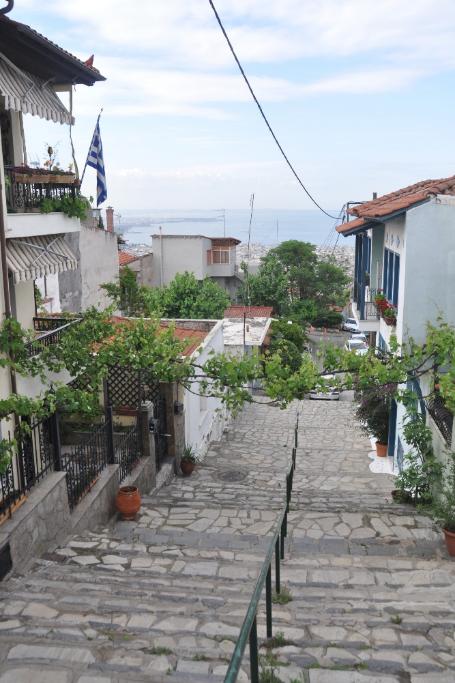
Ano Poli, the Upper Town of Byzantine Thessaloniki, was surrounded by an impressive city wall measuring four kilometres in length. It was built between the end of the 4th century and the beginning of the 5th century CE
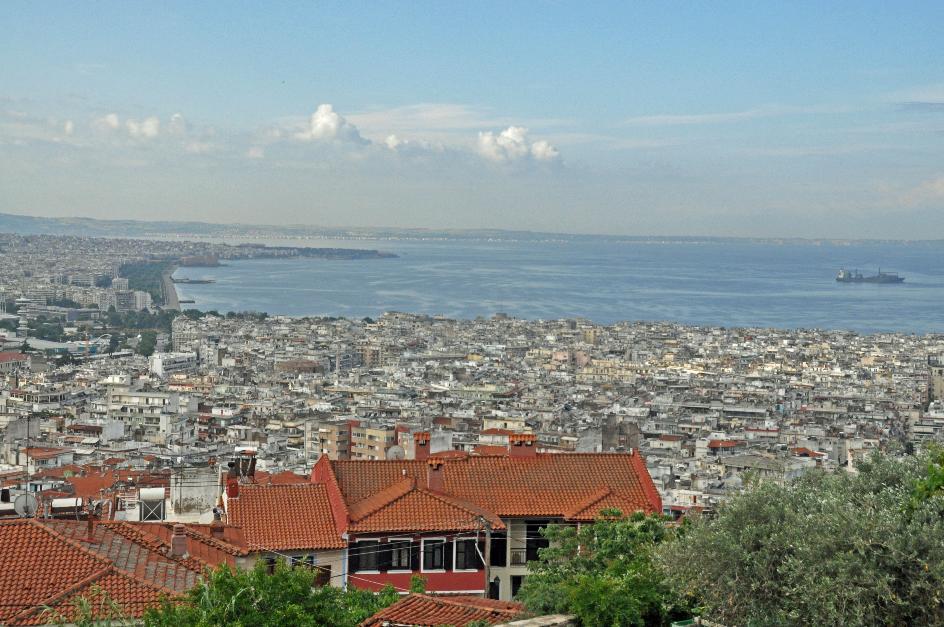
Thessaloniki on the Thermaic Gulf (or Gulf of Thessaloniki)
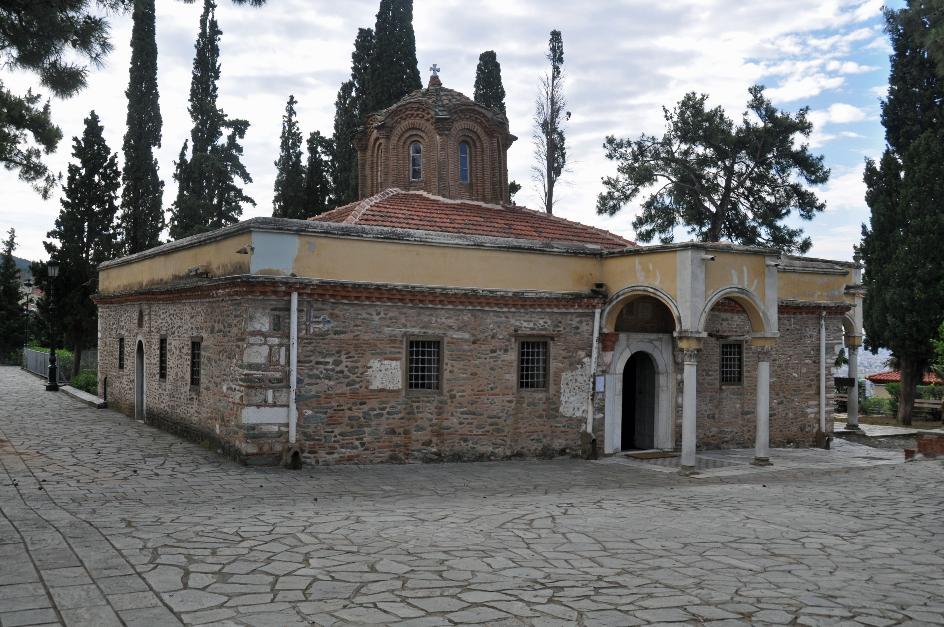
The 14th-century Vlatades Monastery is the only Byzantine monastery in Thessaloniki that remains in active use. During the Ottoman occupation, it served as a mosque for a period
City Wall |
|
The original Church of Hosios David was built at the end of the 5th century CE |
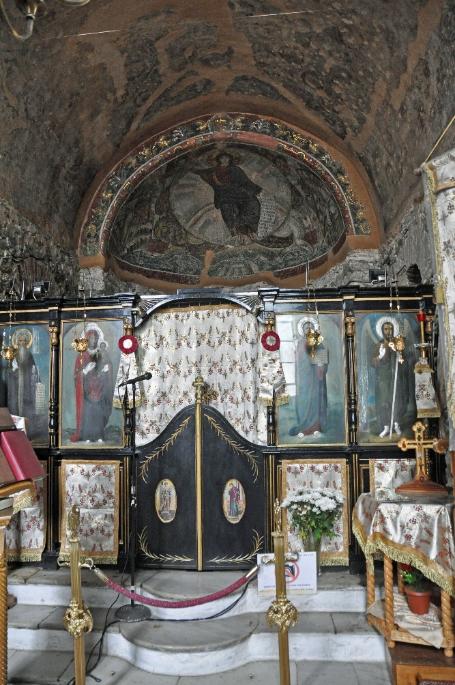
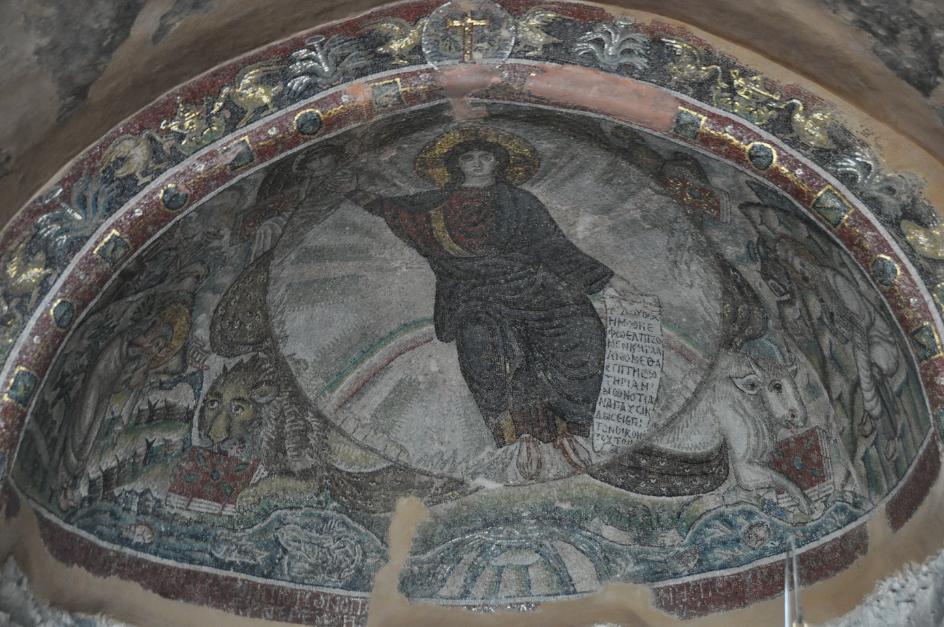
The mosaic icon of Christ in the apse is said to have been created miraculously, without human intervention. It depicts Christ holding a Greek inscription. It is an example of a theophany, in which God reveals Himself directly to humankind
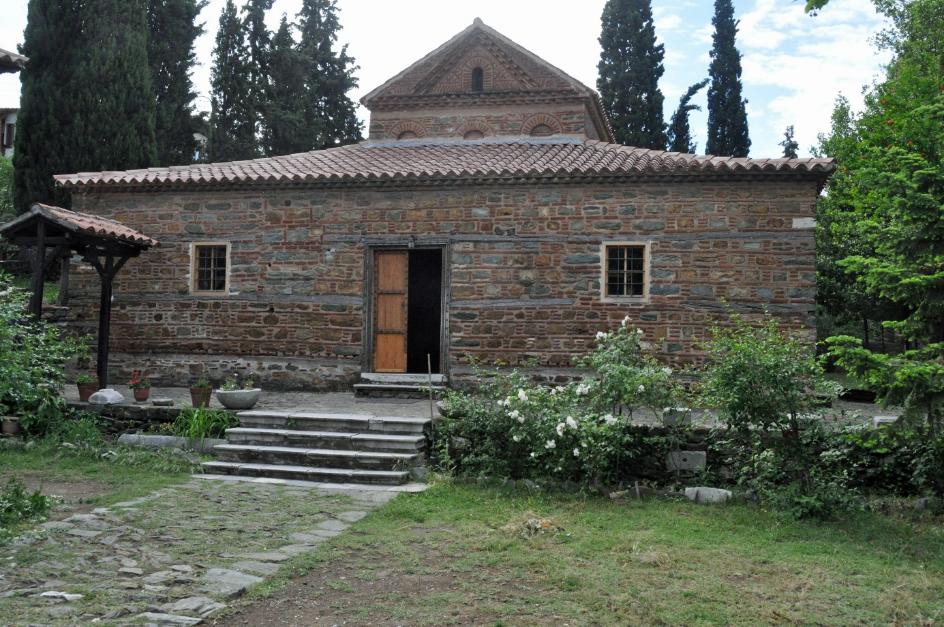
The Church of Hagios Nikolaos Orphanos was built in the early 14th century and is particularly renowned for its frescoes
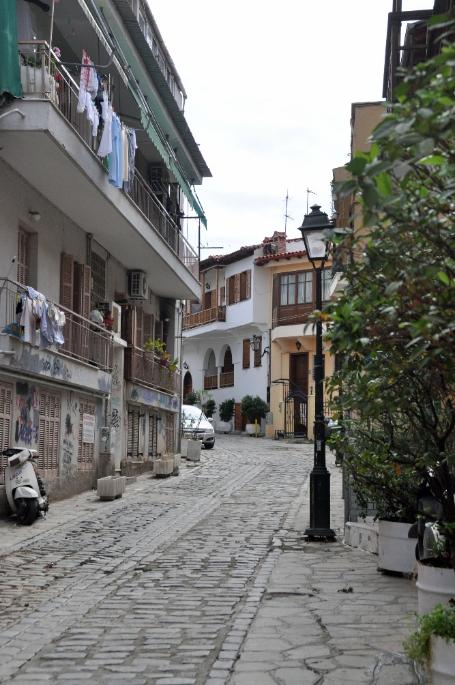
Thessaloniki – Upper Town |
|
|
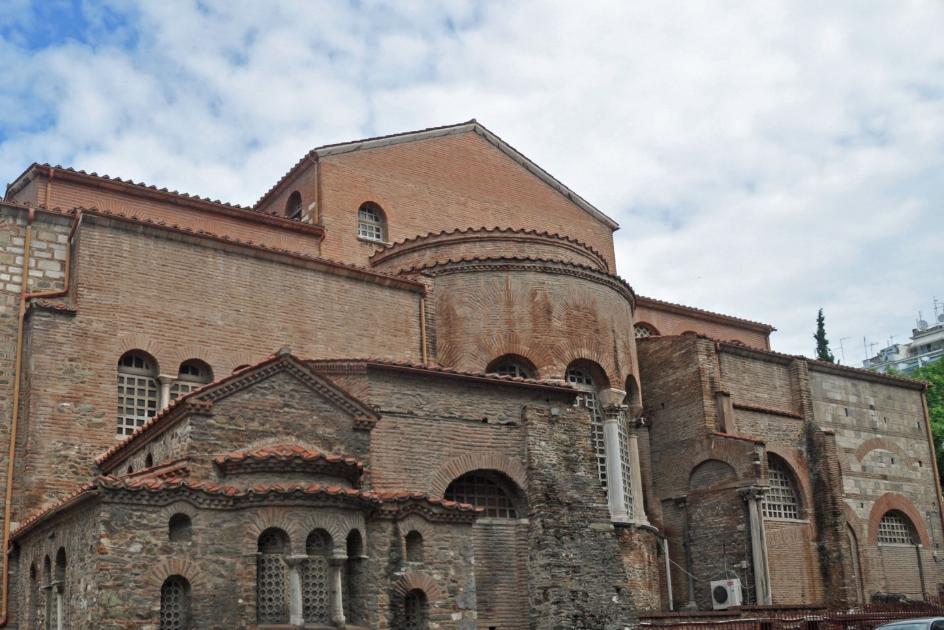
The Church of Hagios Demetrios is believed to have been built on the site where Saint Demetrios suffered martyrdom in 306 CE. The basilica in its present five-aisled form was constructed between 629 and 635 CE
During the Great Fire of Thessaloniki in 1917, the church was almost completely destroyed. It was not restored until 1948 |
|
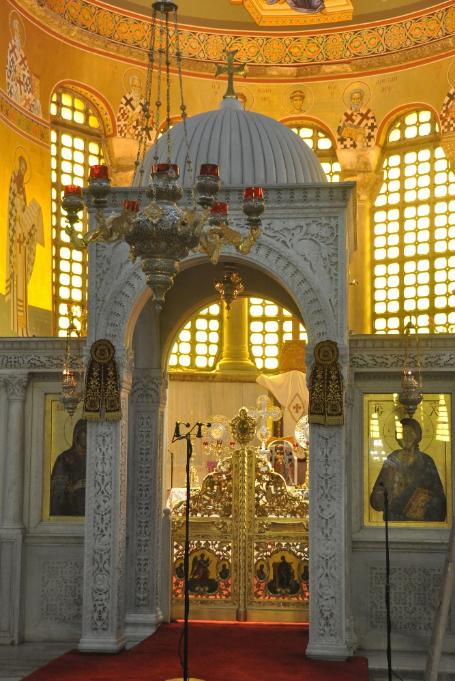
Part of the Iconostasis |
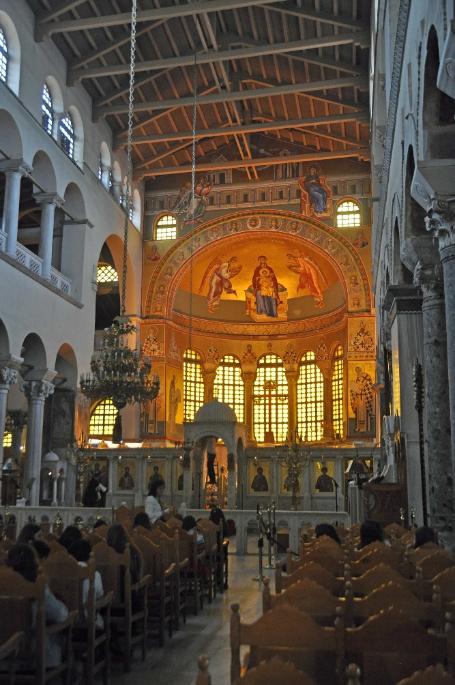
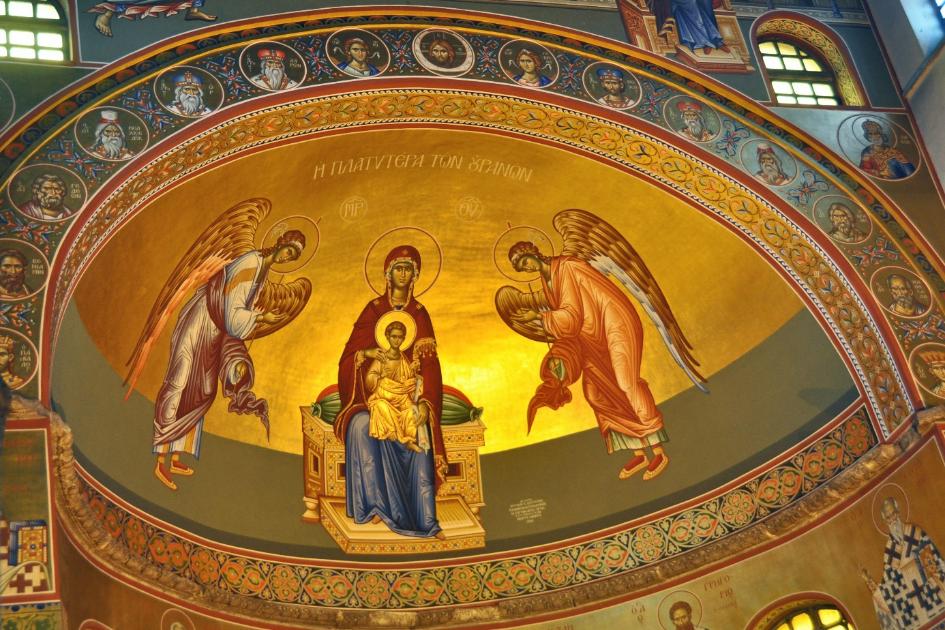
The Virgin Mary with the Christ Child and the Archangels Michael and Gabriel in the Apse (1948)
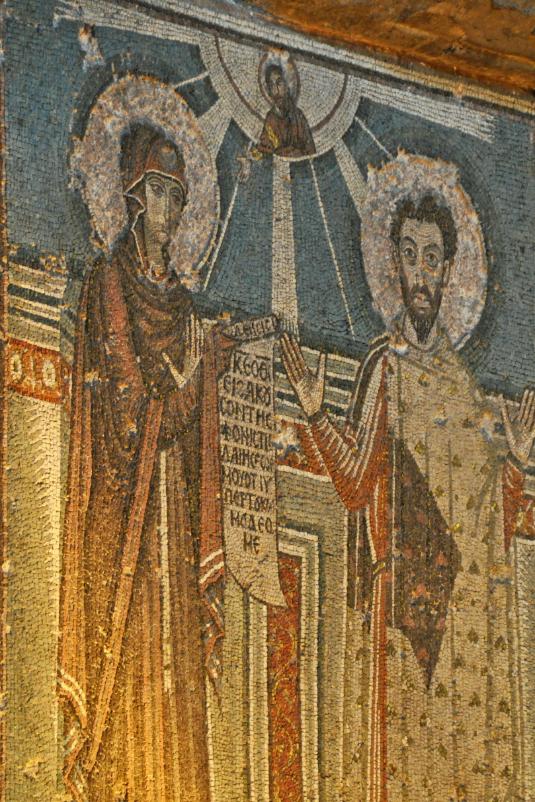
The Church of Hagios Demetrios is famous for six surviving 7th-century mosaic panels, including this depiction of the Holy Virgin Mary with Saint Theodore |
|
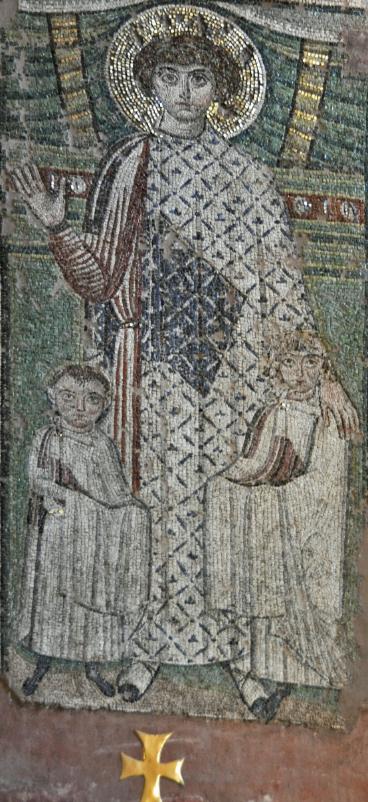
Mosaic of Saint George with Two Children. The saint wears a typical ceremonial cloak (chlamys), decorated with an embroidered trapezoidal panel (tablion) |
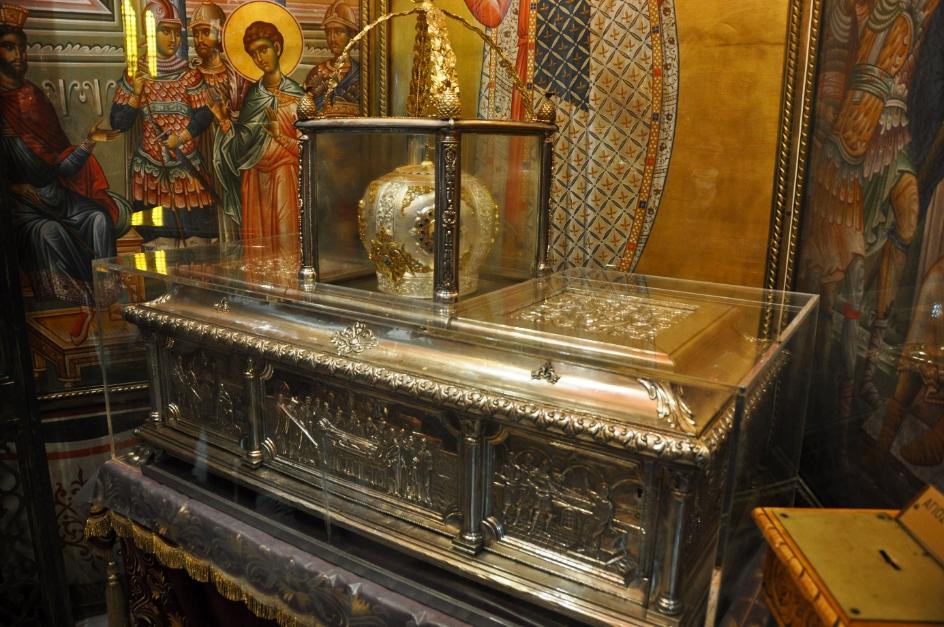
Relics of Saint Demetrios. During the invasion of the Normans in 1185, the relics were removed from the church for safekeeping. They were not returned to Thessaloniki from the Monastery of Saint Lawrence of Campo in northern Italy until 1978, when they were placed in this silver reliquary
Archaeological Museum
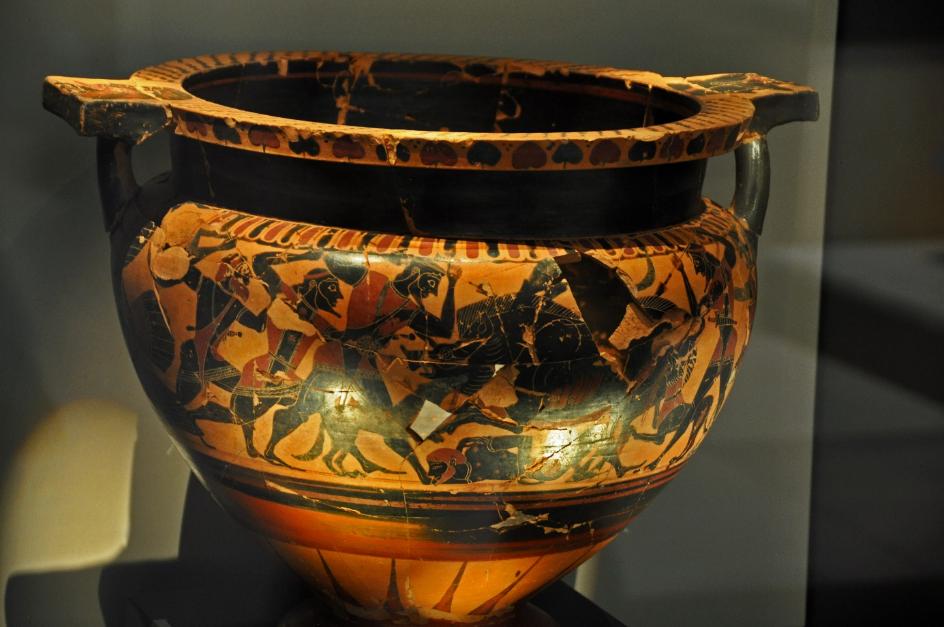
One of the museum’s masterpieces is the Krater of Lydos (560 BCE). Such kraters were used at banquets to dilute wine with water, but this example was deposited as a funerary urn in an ancient grave at Thermi, near Thessaloniki.
The front of the vessel depicts the famous Calydonian Boar Hunt, featuring the monstrous beast sent by the goddess Artemis to Calydon as punishment. Oeneus, the king of Calydon, had failed to include the goddess in the sacrificial rites for the first fruits of the annual harvest. The wounded animal is attacked by five hunters armed with spears and bows, as well as by three dogs tearing it apart. A sixth hunter lies dead beneath the boar.
Lydos was one of the most important vase painters of the mid-6th century BCE, active in the Kerameikos district of Athens
|
|
|
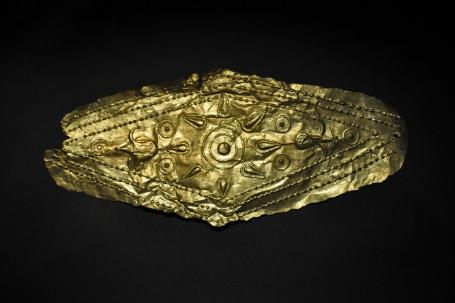
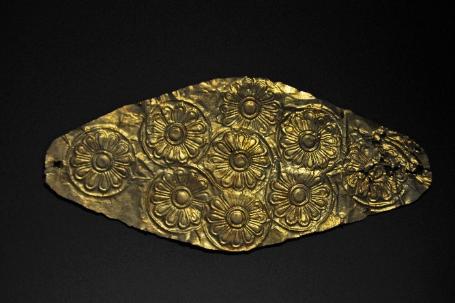
Gold death masks placed over the mouth of the deceased
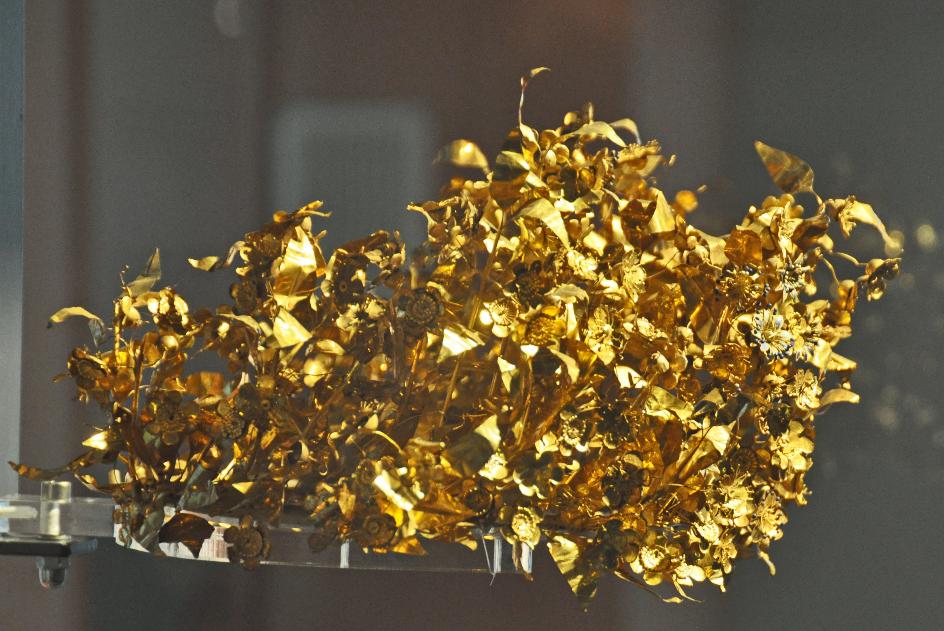
Funerary wreath with myrtle and pear blossoms (gold and glass paste, 350 – 330 BCE). The goldsmith used gold leaf, wire, beads, and blue and green enamel to create a remarkably vivid and impressive crown. Its exceptional state of preservation indicates that the wreath came from an undisturbed tomb. Such funerary wreaths were common in aristocratic and royal burials and served as powerful symbols of status and victory
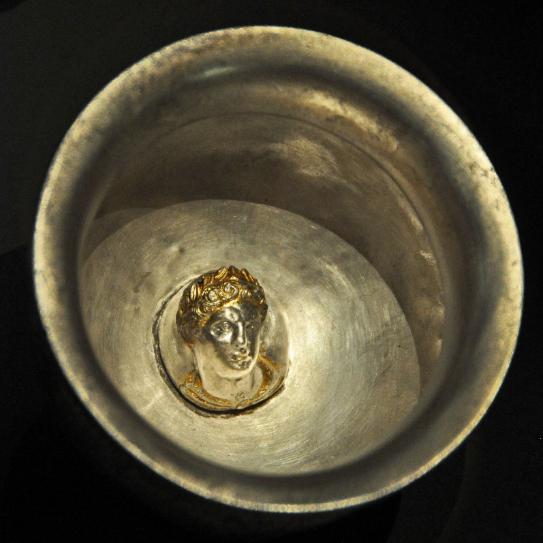
Silver wine cup in which the head of Dionysus gradually emerges as the cup is emptied (350 – 325 BCE) |
|
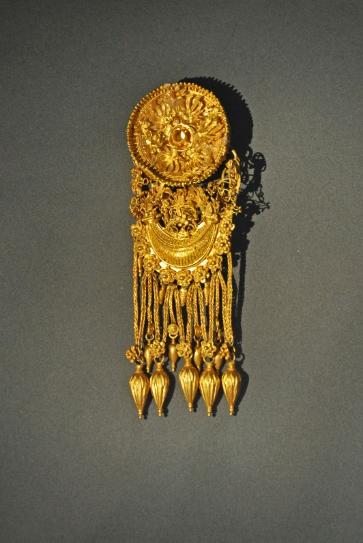
Earring |
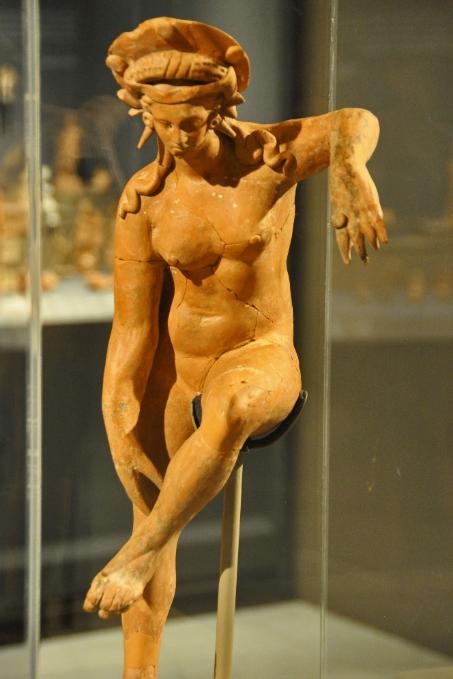
Aphrodite |
|
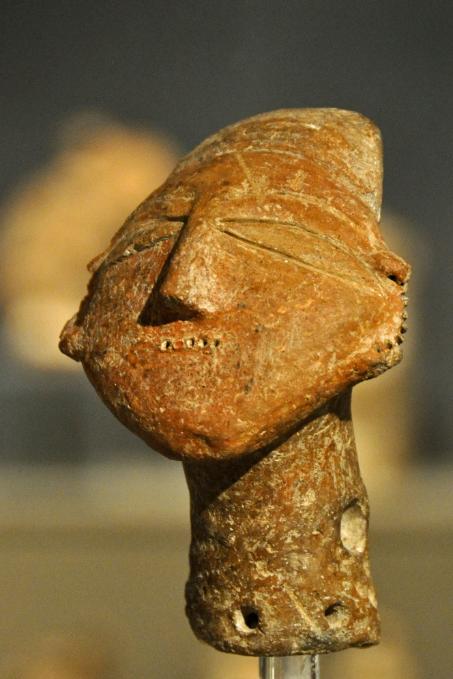
Prehistoric terracotta figurine from the Neolithic or Early Bronze Age |
|
|
|
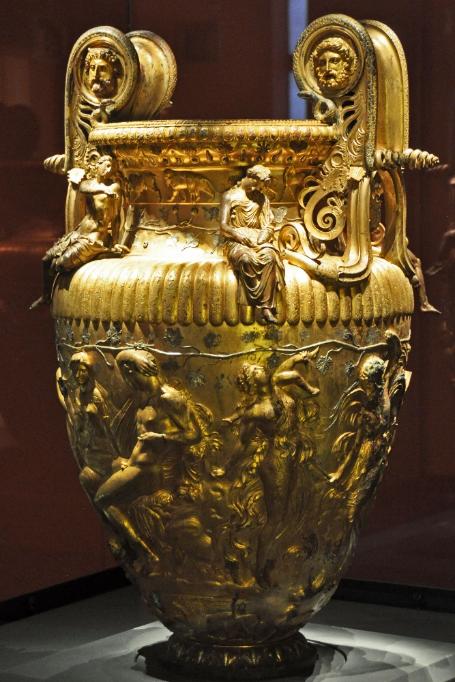
The museum’s masterpiece is the famous Derveni volute krater (late 4th century BCE), an outstanding example of ancient metalwork. The volutes projecting above the rim of the krater feature, among other figures, the masks of Heracles and Achelous. The intricate reliefs depicting Dionysus and his Bacchants are remarkably detailed and exceptionally well preserved
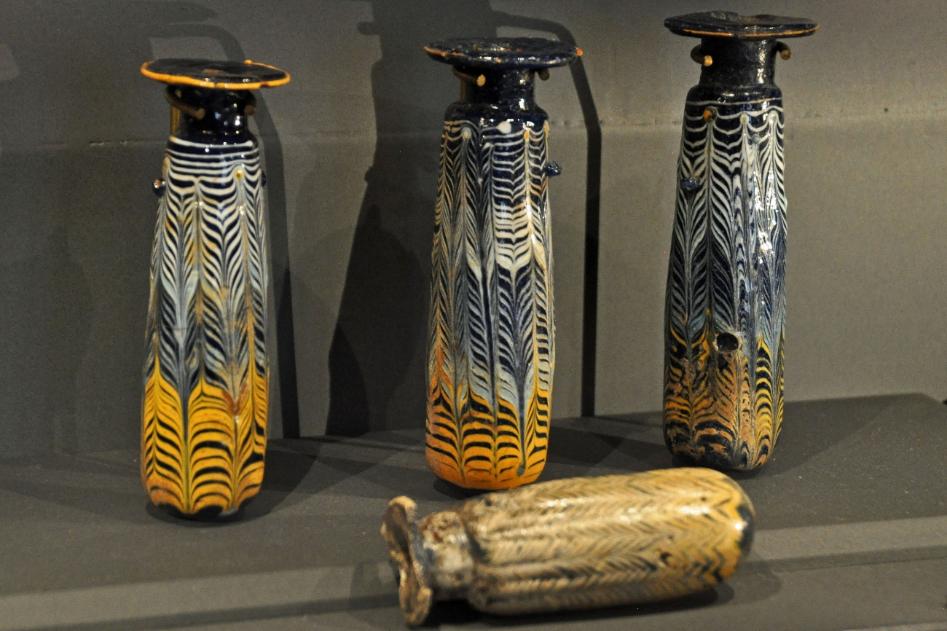
Alabastra from Grave A at Derveni. Such small vessels were used to store perfumes or massage oils
Museum of Byzantine Culture
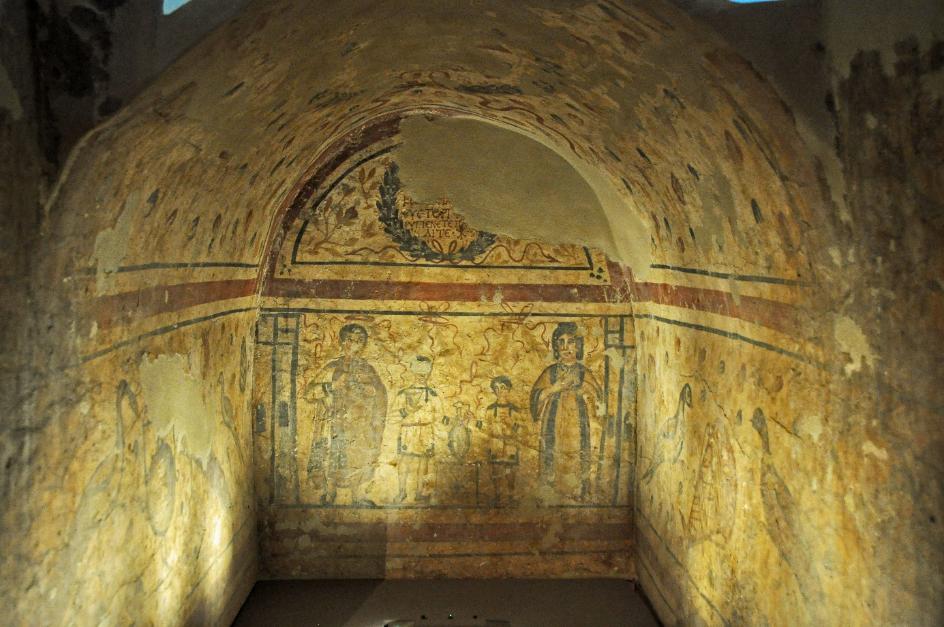
The Museum of Byzantine Culture opened in 1994 and contains, among other exhibits, this barrel-vaulted tomb decorated with scenes of the family of Flavios Estorgos honouring their deceased ancestors (mid-4th century CE)
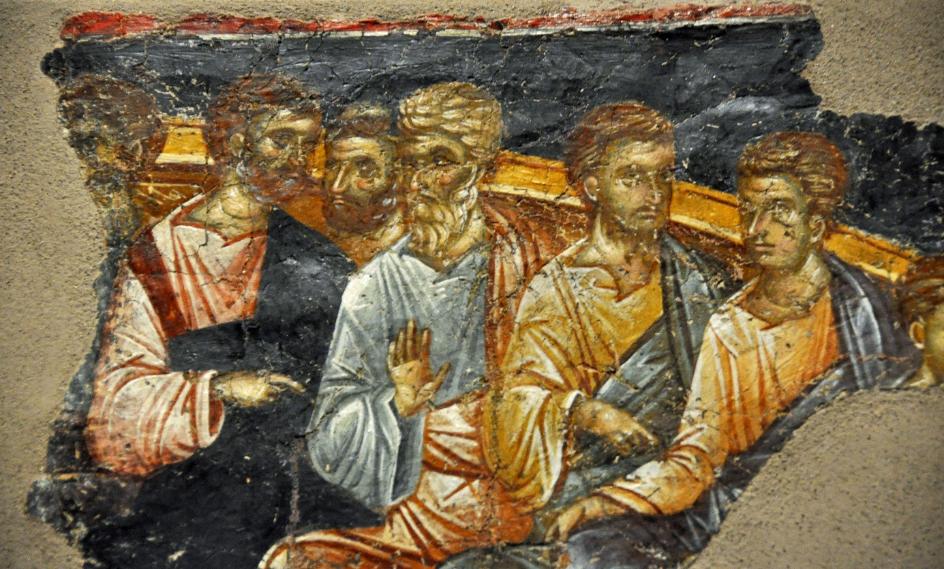
Fragment of a fresco depicting the washing of the feet (1360–1380)
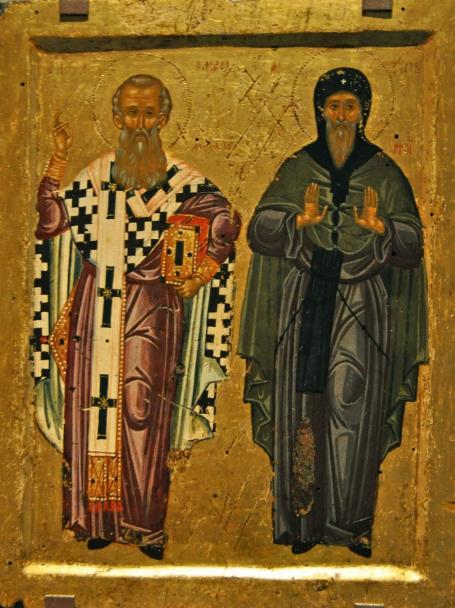
Icon of Saint Athanasius the Confessor and Saint Anthony. Byzantine icons never depict a floor or a natural background, giving the impression that the figures are suspended in mid-air |
|
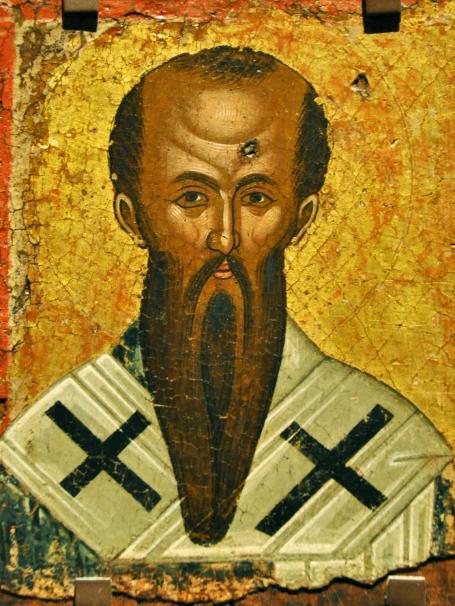
Saint Dionysius the Areopagite. The gold background represents the radiance of the Divine Light and thus symbolises God's invisible presence |
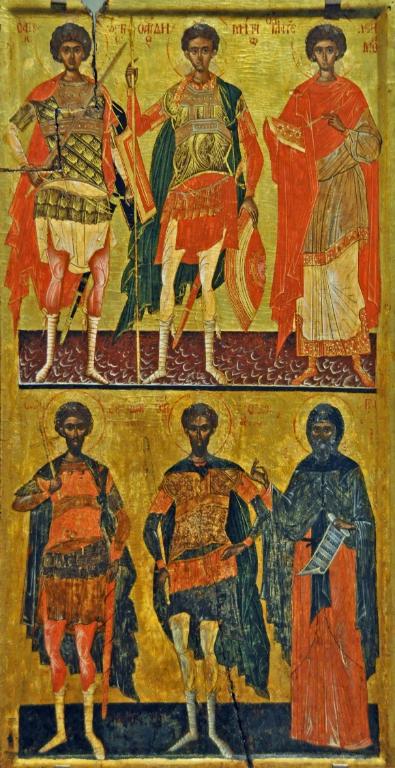
Martial saints defend the Christians against the enemy. At the top are Saint George and Saint Demetrius with the physician Saint Panteleimon. At the bottom are Saint Theodore the General and Saint Theodore the Soldier with the hermit Saint Anthony the Great (late 14th–early 15th century) |
|
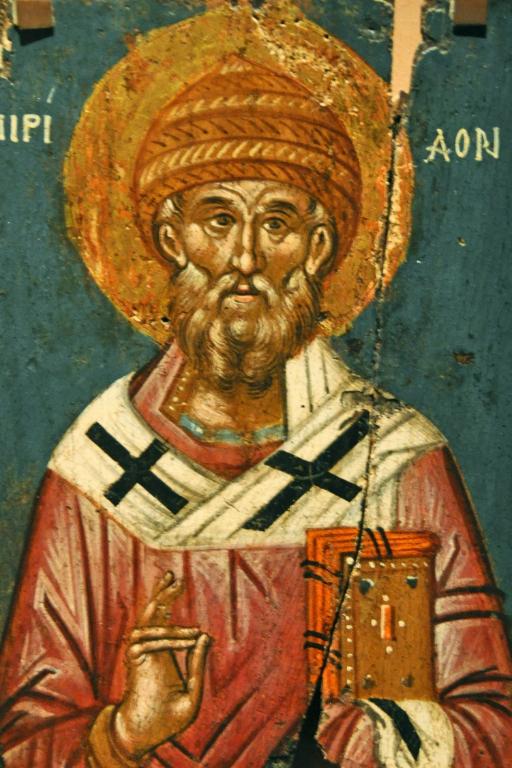
Saint Spyridon rose from shepherd to bishop and is therefore always depicted wearing a shepherd’s cap. He is a popular saint in the Balkans and Cyprus |
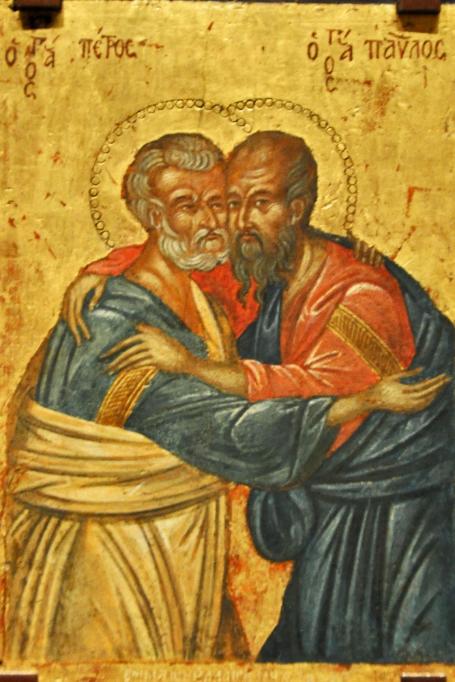
The apostles Saint Peter and Saint Paul |
|
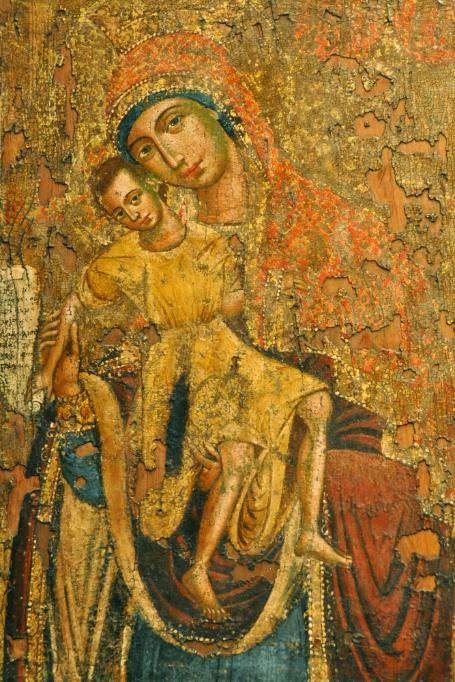
The Holy Virgin Mary depicted as Eleousa, the most human of the three standard representations in Orthodox iconography. Mother and Son are aware of the suffering that awaits Him. In a gesture of consolation, Mary lovingly presses her head against that of her Son |
Lower Town
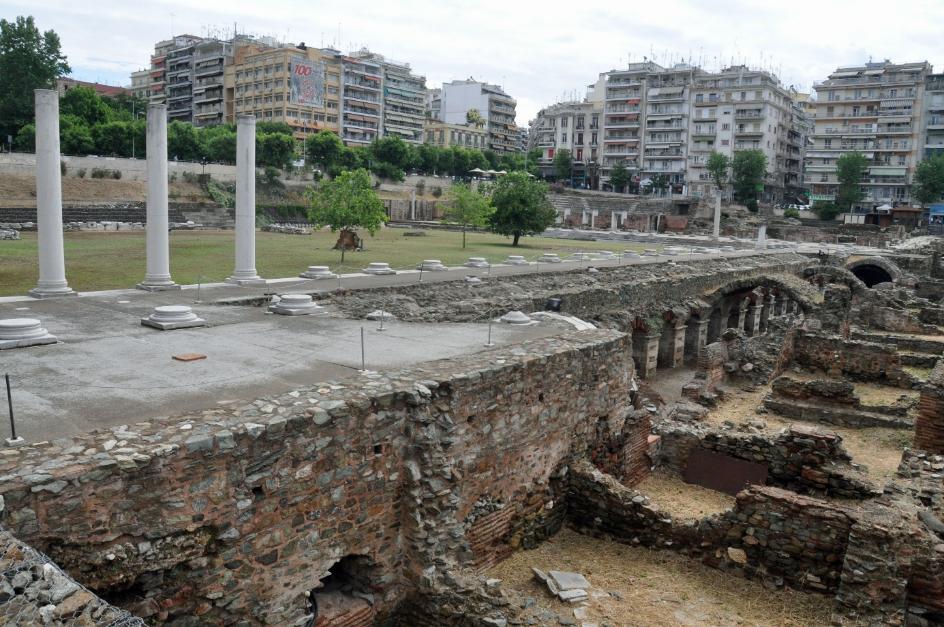
The remains of the Roman Forum were discovered by chance in the 1960s. The forum was renovated by the Romans in the 2nd century CE and was probably in use until the 6th century
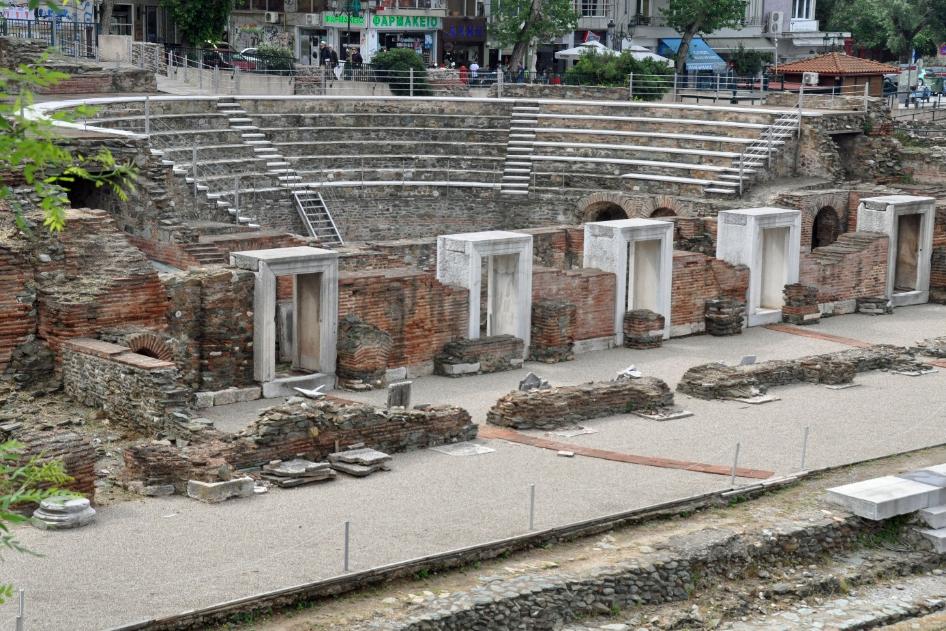
In the Roman Odeon, artistic events, gladiatorial combats, and official gatherings took place. At the time, it was a roofed structure
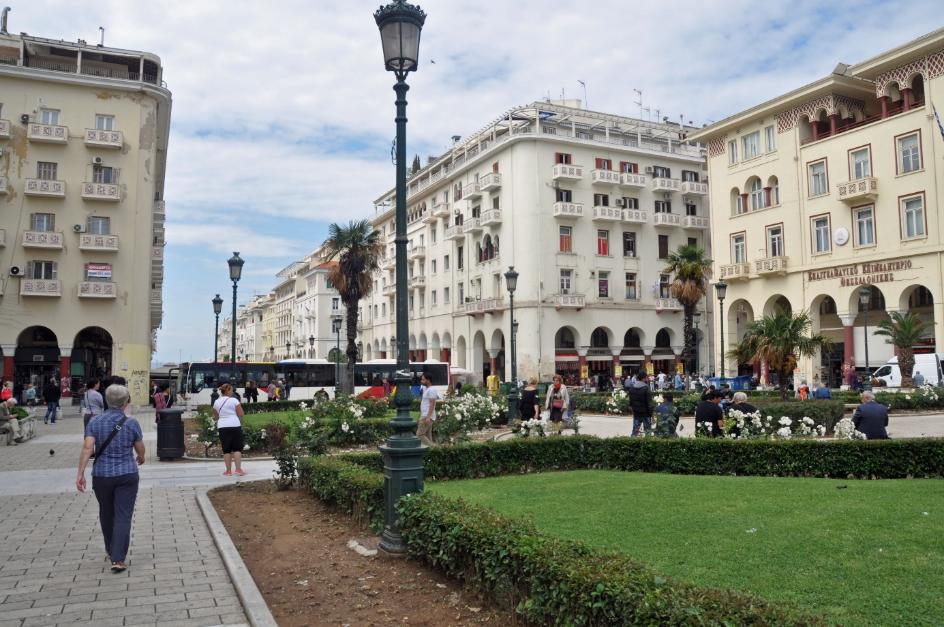
Aristotelous Square is the main city square of Thessaloniki and is almost synonymous with the city itself
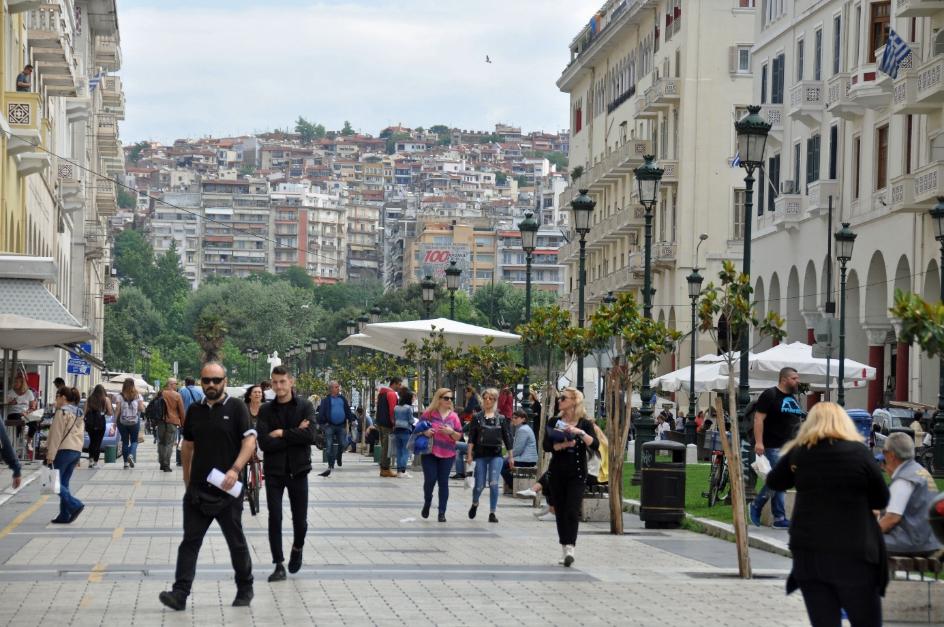
Under Ottoman rule, Thessaloniki developed into a city of narrow streets. The Great Fire of 1917 changed this dramatically. The architect Ernest Hébrard designed this monumental axis with its imposing façades, inspired by those found in other European cities
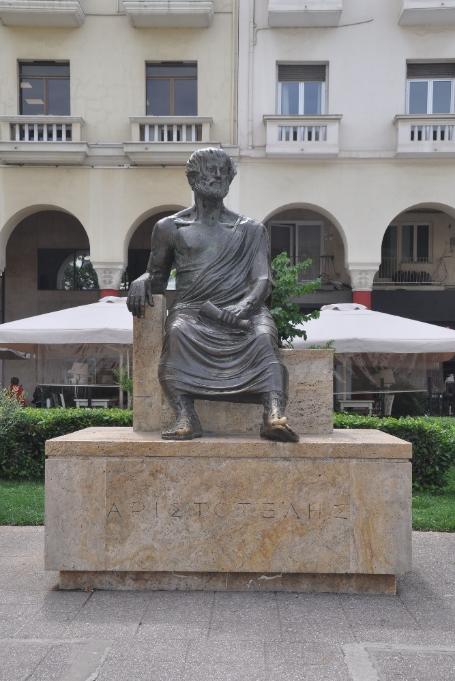
Statue of Aristotle, born in Stageira, about one hundred kilometres from Thessaloniki. He was one of the most influential classical philosophers in the Western tradition and spent two years as the private tutor of Alexander the Great |
|
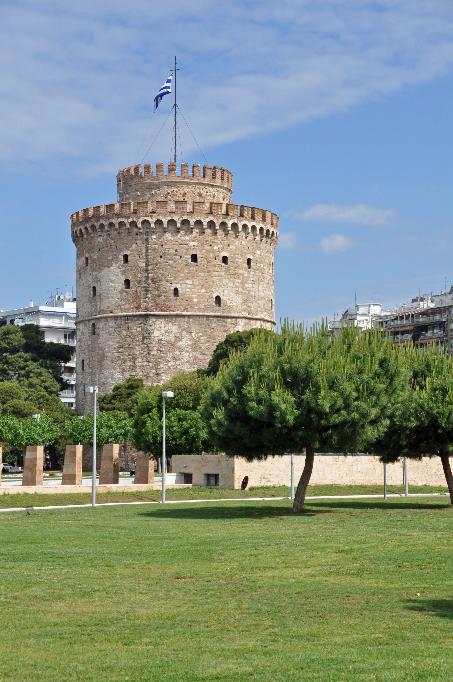
The White Tower is an Ottoman fortress dating from the second half of the 15th century. It has six storeys, is 34 metres high, and has a circumference of 70 metres. It is the city’s most characteristic monument |
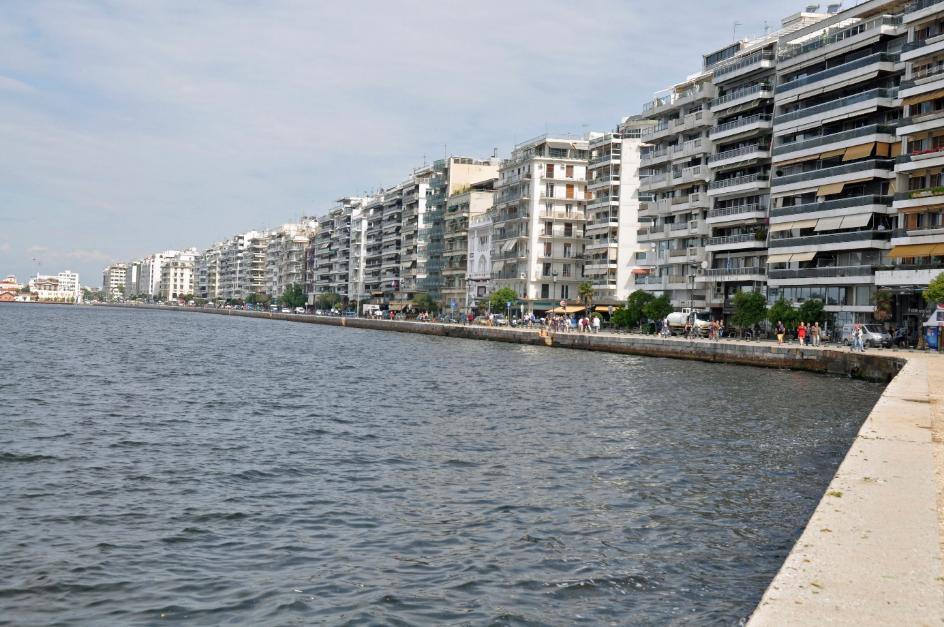
Leoforos Nikis, or “Victory Avenue”, is one of the busiest thoroughfares in Thessaloniki. It runs for about one kilometre along the waterfront
Jaak Palmans
© 2026 | Version 2026-06-13 14:00
